Common Safety Issues Found in Aging Decks, Porches, and Ramps
Local contractors can help address common safety issues found in aging decks, porches, and ramps to ensure they are secure, stable, and safe for use.
Aging decks, porches, and ramps can develop a variety of safety issues over time that may pose risks to property owners and visitors alike. Recognizing common problems such as rotting wood, loose railings, unstable supports, and worn-out surfaces is essential for maintaining a safe outdoor space. Property owners in the area who are concerned about the integrity of their outdoor structures can find valuable assistance through experienced local contractors who specialize in repairs and restorations. Exploring these safety concerns early can help prevent accidents and costly repairs down the line, making it worthwhile to understand what issues typically arise in aging outdoor structures.
Understanding the most frequent safety issues found in aging decks, porches, and ramps can empower property owners to take proactive steps toward maintenance and repair. Local service providers are equipped to identify and address problems like cracked or splintered wood, corrosion of metal components, and weakened supports that may compromise stability. By connecting with trusted local contractors, property owners can ensure their outdoor spaces remain safe and functional, especially as structures age and weather over time. Continuing to read can provide practical insights into common issues and how professional repair services can help maintain the safety and longevity of outdoor structures.
- Aging decks - local contractors can repair loose or rotting boards that pose tripping hazards and compromise structural integrity.
- Porches - service providers address deteriorated railings and unstable flooring to prevent falls and ensure safety.
- Ramps - local pros can fix cracks, loose fittings, or unstable surfaces that may hinder mobility and create safety risks.
- Aging decks, porches, and ramps - repairs often involve replacing damaged components to eliminate common safety issues found in aging structures.
- Safety-related repairs - experienced service providers focus on reinforcing weak spots and correcting hazards to improve overall safety in aging outdoor structures.
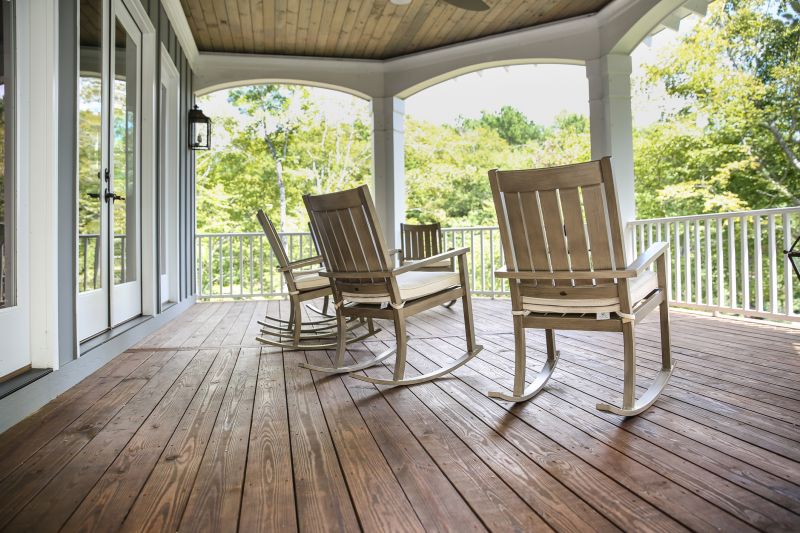
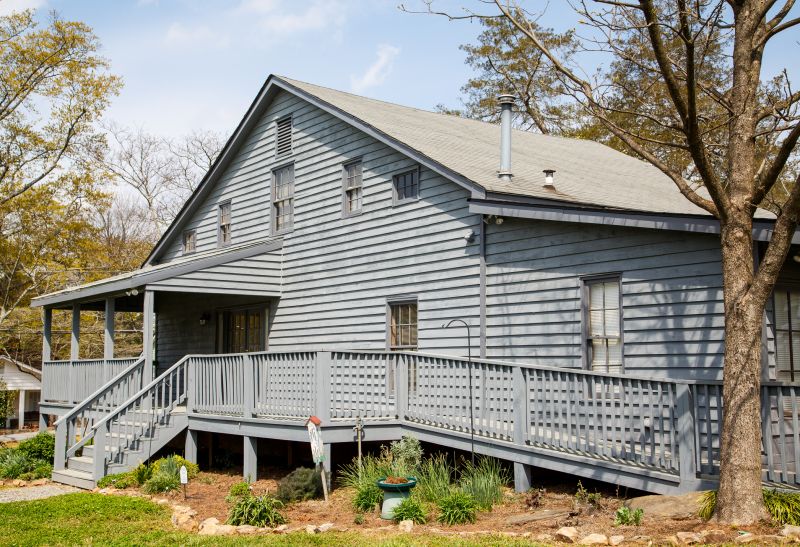
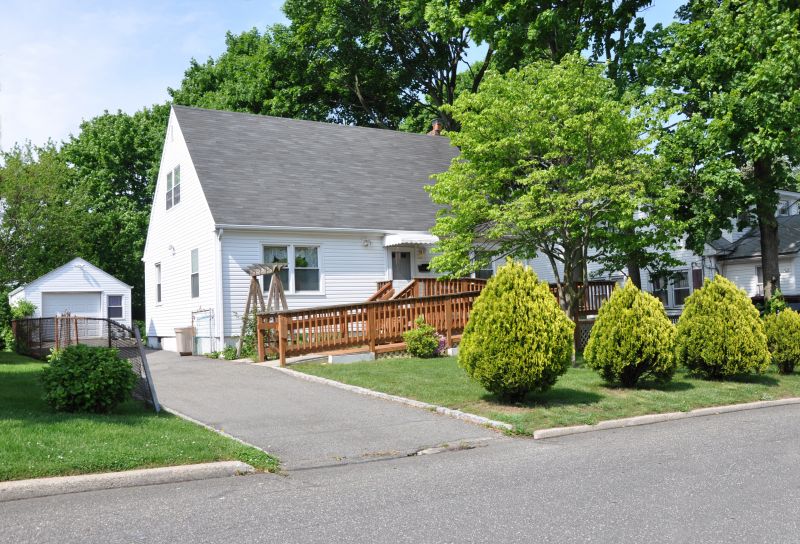
Many homeowners searching for information about common safety issues found in aging decks, porches, and ramps are often concerned about structural integrity and personal safety. As these outdoor features age, they can develop problems that compromise stability, making everyday use potentially hazardous. This topic typically relates to projects involving inspections, repairs, or replacements aimed at preventing accidents or injuries. Understanding the typical issues helps homeowners recognize when repairs are needed and how local contractors can step in to address concerns before they escalate into serious safety risks.
The problems connected to aging decks, porches, and ramps often include rotting wood, rusted hardware, and unstable surfaces. Over time, exposure to weather can weaken wooden components, leading to soft spots or even collapse. Metal parts such as nails, bolts, and brackets may corrode, reducing their holding power and increasing the risk of structural failure. Additionally, uneven surfaces, loose boards, or deteriorated railings can cause tripping hazards or falls. These safety issues are common in properties that have not been maintained or inspected regularly, especially in older homes or buildings that have seen decades of use.
Properties that typically come up in discussions about aging outdoor structures include residential homes, especially those built many years ago, as well as multi-family complexes, senior living facilities, and commercial properties with outdoor access points. These structures often serve as essential entry points or outdoor living spaces, making their safety a priority for property owners and managers. Homeowners with decks or ramps designed for accessibility may also face specific concerns related to stability and compliance with safety standards. Local service providers specializing in repairs for aging decks, porches, and ramps can assess these properties, identify potential hazards, and perform the necessary work to restore safety and usability.
Understanding how common safety issues found in aging decks, porches, and ramps relate to real projects helps homeowners see the importance of timely inspections and repairs. These issues are not just about appearance but directly impact the safety of anyone using the outdoor features. Local contractors experienced in aging outdoor structures can evaluate the condition of these features, recommend appropriate repairs, and help ensure that decks, porches, and ramps remain safe and functional. Connecting with these service providers is a practical step toward maintaining property safety and preventing accidents caused by overlooked deterioration.
Wood Repair and Restoration - local contractors skilled in repairing rotted or damaged wood components are essential for addressing common safety issues found in aging decks, porches, and ramps.
Structural Reinforcement Projects - professionals who specialize in reinforcing weak or compromised framing ensure stability and safety in outdoor structures with aging components.
Handrail and Railing Installation - experienced service providers can replace or upgrade handrails and railings to improve safety and meet current building standards.
Surface Repair and Replacement - local pros adept at fixing or replacing worn or damaged decking, porch flooring, and ramp surfaces help prevent slips and falls.
Foundation and Support Assessment - contractors capable of inspecting and strengthening foundational supports can address issues that compromise overall safety.
Waterproofing and Sealant Application - specialists who apply waterproofing treatments help protect aging structures from further deterioration and safety hazards.
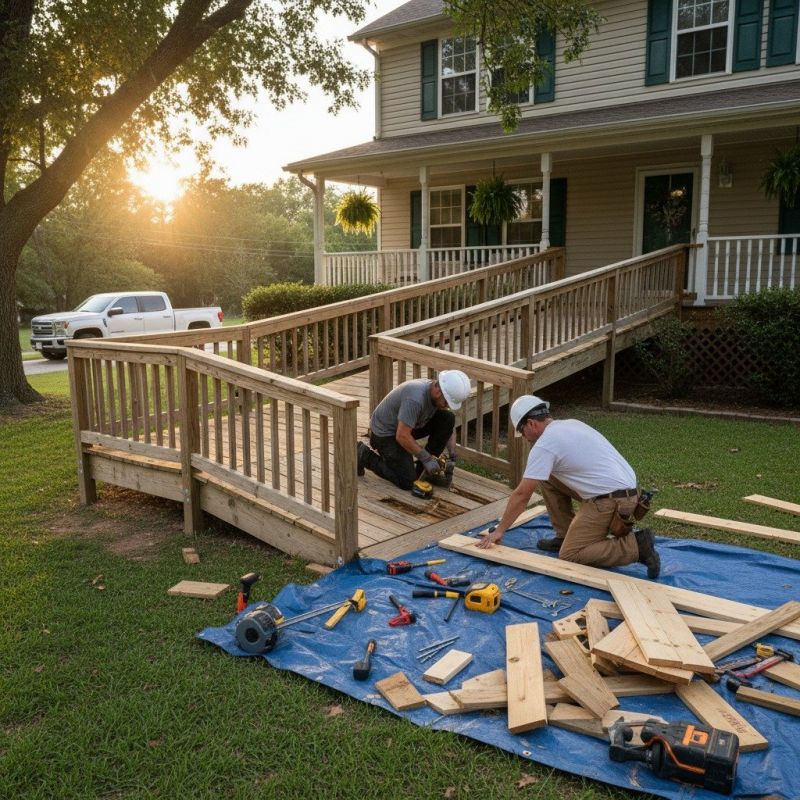
When evaluating service providers for aging deck, porch, and ramp repairs, it is important to consider their experience with similar projects. Contractors who have a proven track record addressing common safety issues found in aging structures are more likely to understand the specific challenges involved. Homeowners should inquire about the types of repairs or upgrades the contractor has completed in the past, particularly those related to stability, surface integrity, and structural support. A contractor’s familiarity with these issues can help ensure that the work performed will effectively address safety concerns and meet the unique needs of aging outdoor structures.
Clear written expectations are essential when comparing local contractors for deck, porch, and ramp repairs. A detailed scope of work, including specific tasks, materials, and safety standards, can prevent misunderstandings and ensure that both parties are aligned on the project’s goals. Homeowners should seek service providers who are willing to provide comprehensive written estimates and project descriptions. This documentation helps clarify the extent of repairs needed to address common safety issues and allows for easier comparison between different contractors’ approaches and offerings.
Effective communication and reputable references are key indicators of a reliable service provider. Contractors who are responsive, transparent, and willing to answer questions about their experience with similar projects demonstrate professionalism and a commitment to quality. Additionally, requesting references from past clients can provide insight into the contractor’s ability to handle safety-related repairs efficiently and thoroughly. Good communication ensures that homeowners remain informed throughout the process, which is especially important when addressing structural safety concerns in aging decks, porches, and ramps.
Property owners often search for common safety issues found in aging decks, porches, and ramps when they are planning practical projects around their homes and businesses. Local pros provide Aging Decks, Porches, and Ramps Repair services for everyday jobs and straightforward project options.
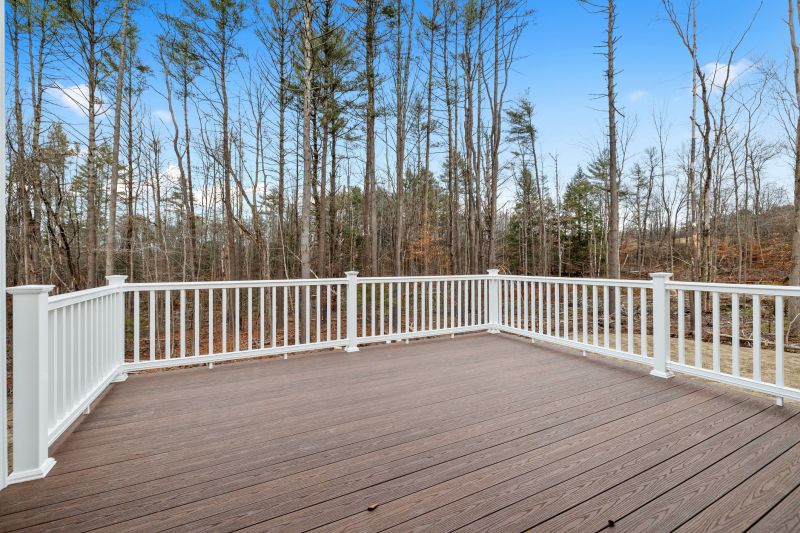
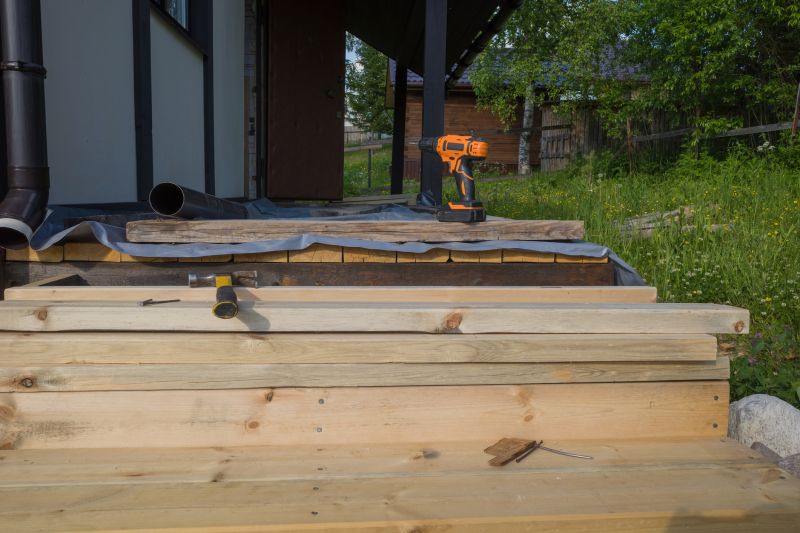
Many property owners in the area notice that aging decks, porches, and ramps can develop safety issues over time, especially if they haven’t been maintained regularly. Common problems include rotting wood, loose or unstable railings, and cracked or weakened support structures. These issues can pose tripping hazards or even lead to structural failure, making it important for property owners to recognize early signs and seek professional repair services. Local contractors experienced in handling aging outdoor structures can assess these concerns and provide the necessary repairs to help ensure safety and stability.
Another frequent safety concern involves the deterioration of surface materials, such as splintered wood or loose boards that can cause falls or injuries. Ramps and porches may also develop uneven surfaces or become less stable due to rusted fasteners or compromised framing. These problems often result from exposure to the elements over time, and addressing them promptly can prevent accidents. Local service providers specializing in aging deck, porch, and ramp repairs can evaluate the condition of these structures and recommend solutions to restore their safety and functionality.
What are common safety issues found in aging decks, porches, and ramps? Common safety concerns include rotting wood, loose or unstable handrails, and deteriorated support structures that can compromise stability and safety.
How can I identify if my aging deck or porch has safety problems? Signs such as sagging surfaces, cracked or splintered wood, and wobbly or loose railings indicate potential safety issues that should be assessed by local contractors.
Why are loose or damaged handrails a safety concern on aging ramps and porches? Loose or damaged handrails can lead to falls or loss of balance, especially for individuals with mobility challenges, making repairs essential for safety.
What causes wood deterioration in aging decks and porches? Exposure to moisture, temperature changes, and lack of maintenance can lead to wood rot, decay, and weakened structural components that pose safety risks.
How do local service providers address safety issues in aging decks, porches, and ramps? They evaluate the condition of the structures, perform necessary repairs such as replacing rotten wood, securing loose components, and reinforcing support elements to ensure safety.
Structural Integrity Checks - Property owners can schedule inspections with local contractors to identify weakened or rotting wood that may compromise safety.
Handrail and Railing Installation - Installing sturdy handrails and railings can help prevent falls on aging decks, porches, and ramps.
Surface Repair and Replacement - Repairing or replacing loose or damaged boards ensures a stable walking surface and reduces tripping hazards.
Foundation and Support Assessment - Local service providers can evaluate support posts and foundation elements to prevent shifting or collapse over time.
If you are thinking about common safety issues found in aging decks, porches, and ramps for a property, this guide is meant to help you understand this topic, the typical project types, and how different options might fit your plans.
When you are ready, you can use the quote form on this page to share a few details about your project. From there, local pros can review the basics and follow up with options that match what you have in mind.